
Minerals play a vital role in livestock health and productivity, yet mineral deficiencies are among the most overlooked challenges facing farmers. Unlike visible diseases, mineral deficiencies often develop slowly and silently, gradually reducing animal performance before clear symptoms appear. If left uncorrected, these deficiencies can lead to significant economic losses through poor growth, low production, and reproductive problems.
Common Signs of Mineral Deficiency in Livestock
One of the earliest signs of mineral deficiency is a poor or inconsistent appetite. Animals may eat less than usual or show little interest in feed, leading to slow weight gain and reduced productivity. In dairy animals, this often results in a noticeable drop in milk yield, even when feed quantity remains unchanged.
Weak bones and lameness are also common indicators, especially in growing animals and high-producing dairy cows. Minerals such as calcium and phosphorus are essential for bone development and strength. A deficiency can lead to fractures, joint problems, or difficulty standing and walking.
Another visible sign is a rough, dull coat or poor wool and hair quality. Minerals like zinc, copper, and sulfur are important for skin and coat health. Animals lacking these nutrients often appear unhealthy and may be more susceptible to skin infections and parasites.
Effects on Reproduction and Immunity
Mineral deficiencies can seriously affect fertility and reproduction. Animals may experience delayed heat cycles, poor conception rates, early embryonic loss, or weak newborns. Trace minerals such as selenium, iodine, and manganese play a key role in reproductive health, hormone balance, and fetal development.
A weakened immune system is another major consequence. Animals with mineral deficiencies are more prone to infections, slow recovery from illness, and higher mortality rates. This increases veterinary costs and reduces overall farm profitability.
Why Mineral Deficiencies Are Common
Many farmers rely heavily on grazing or basic rations, assuming that pasture alone provides all necessary nutrients. However, soil mineral content varies widely by region and season. During dry periods, pastures are often low in essential minerals, making supplementation even more important.
High-producing animals also have higher mineral requirements. Dairy cows, fast-growing beef animals, and laying poultry lose minerals through milk, growth, and egg production, and these losses must be replaced consistently.
The Role of Mineral Supplements
Mineral supplements are designed to correct deficiencies and maintain balanced nutrition. They support digestion, improve feed utilization, strengthen immunity, and promote steady growth. When provided regularly, mineral supplements help animals perform optimally throughout the year.
Supplements can be offered in different forms, including mineral licks, premixes, or mixed directly into feed, depending on the livestock system.
Building Healthier, More Productive Herds
Healthy livestock begin with balanced minerals. By observing animals closely, providing quality feed, and supplementing minerals consistently, farmers can prevent deficiencies before they affect productivity.
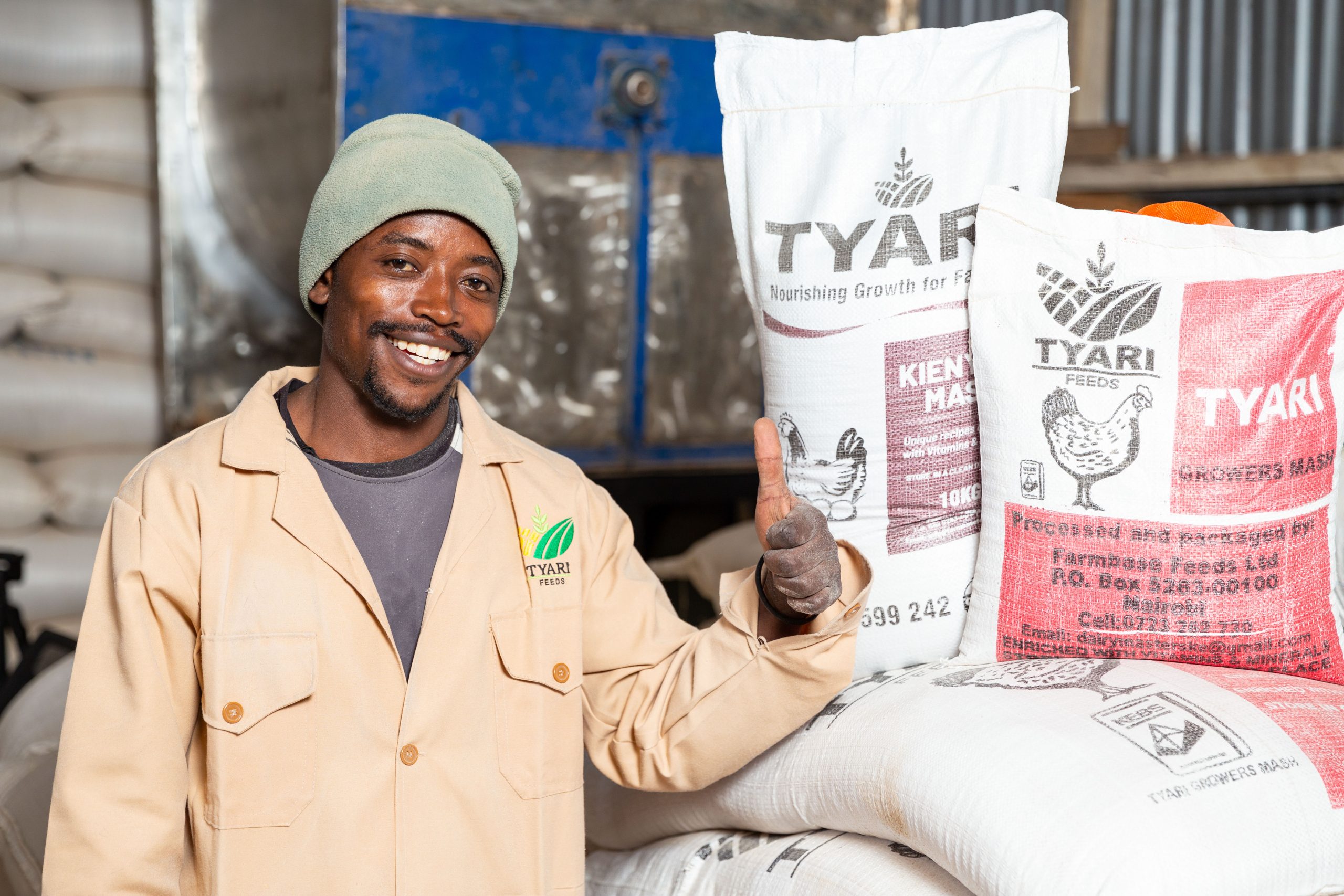
At FarmBase Feeds Ltd, we support farmers with quality mineral supplements and practical feeding guidance to help livestock stay healthy, productive, and profitable. Balanced minerals today mean stronger herds tomorrow.